


Top News

-
October 24, 2026
Trump endorsed Netanyahu earlier this week, but Vance declined to join him in backing the Israeli leader, saying he was focusing on US midterm elections and not looking overseas.
-
October 24, 2026
-
October 24, 2026

-
October 24, 2026
-
October 23, 2026
-
October 23, 2026
-
October 23, 2026
 File photo of cable reels at the Synergy Cables factory in Sderot, southern Israel. (photo: Michael Sinai, Flash90)
Iran has drawn up detailed plans to attack undersea communications cables in the Gulf if the US and Israel strike the country again, two senior Iranian security officials told Reuters.
The officials, speaking anonymously, did not say how or where attacks would be carried out. One said Iran would also seek to prevent repairs, prolonging disruptions to internet access and other communications.
"If Iran is attacked, there will be no more red lines ... from undersea cables to military bases, including covert ones," one official said.
-
October 23, 2026
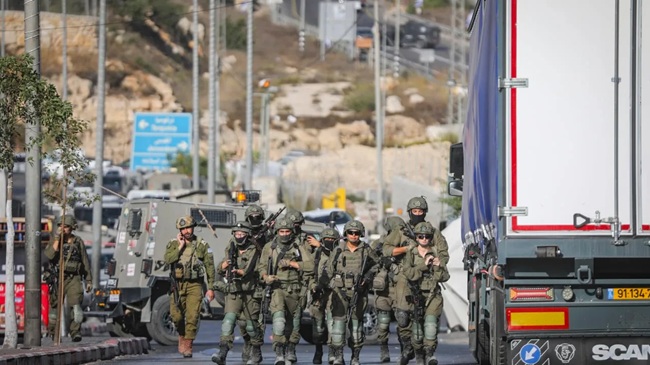 Israeli security forces near the scene of a shooting attack near the West Bank city of Hebron, October 23, 2026. Five people were wounded in the attack, two of them seriously, and two Palestinian terrorists were killed by Israeli forces. (photo: Wisam Hashlamoun, Flash90)
Without IDF soldiers stopping two Hamas terrorists on Friday morning, a major attack would likely have been made targeting civilians, Prime Minister Benjamin Netanyahu said.
"Our forces are operating with reinforcements to thwart terrorism and are carrying out extensive waves of arrests," Netanyahu also said. "We will pursue Hamas terrorists and those who sent them, wherever they are and at all times."
After the attack, Netanyahu had announced that Likud events which had been scheduled for Friday morning would be canceled. He also ordered the IDF and security forces to establish a cordon around the city of Hebron and to block off all travel through the West Bank.
-
October 22, 2026
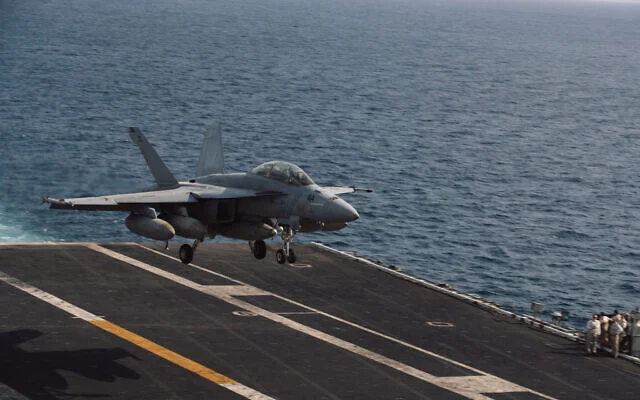 An F/A-18 Super Hornet attached to Strike Fighter Squadron (VFA) 195 lands aboard Nimitz-class aircraft carrier USS George Washington (CVN 73), October 1, 2026, in the Middle East. (photo: US Navy)
The United States and Israel have drawn up plans for renewed military strikes on Iran following the American midterm elections on November 3, according to a Wednesday report.
Citing US officials and others briefed on the matter, The New York Times reported that the US and Israel have ramped up military drills ahead of what it said would be “a short but intensive operation,” including flyovers of Iran’s western neighbor Iraq to simulate strike maneuvers.
Possible targets are Iranian energy sites, nuclear facilities, and arsenals of missiles and drones, the report said. Officials quoted by the newspaper claimed another major round of strikes could crater the Islamic Republic’s economy and, in doing so, force Tehran into diplomatic concessions.
-
October 22, 2026
-
October 22, 2026
-
October 22, 2026
-
October 22, 2026
-
October 22, 2026
-
October 21, 2026
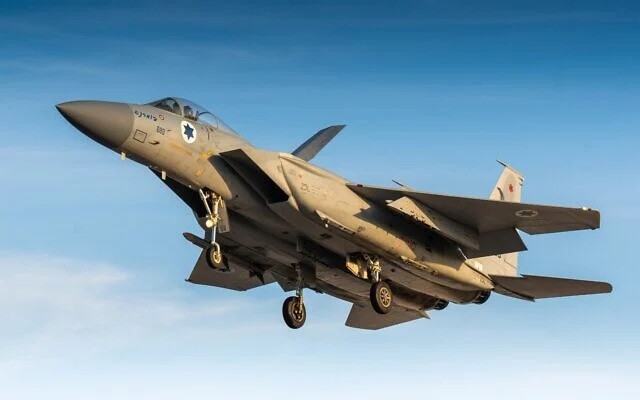 An Israeli Air Force F-15 fighter jet takes off for strikes in Iran, in a handout photo published April 1, 2026. (Israel Defense Forces)
Dozens of Israeli fighter jets and refueling aircraft reportedly flew over Syria and Iraq toward the Iranian border earlier this week, following a flight path resembling an attack on Iran.
The aircraft turned around shortly before reaching Iranian territory and returned to Israel, according to an Axios report citing unnamed US and Israeli officials, following an earlier Fox News report on the matter.
Israel informed Washington of the sortie in advance, saying it was a military exercise and a show of force intended to deter Iran from attacking ahead of next week’s election, the sources told Axios.
-
October 21, 2026
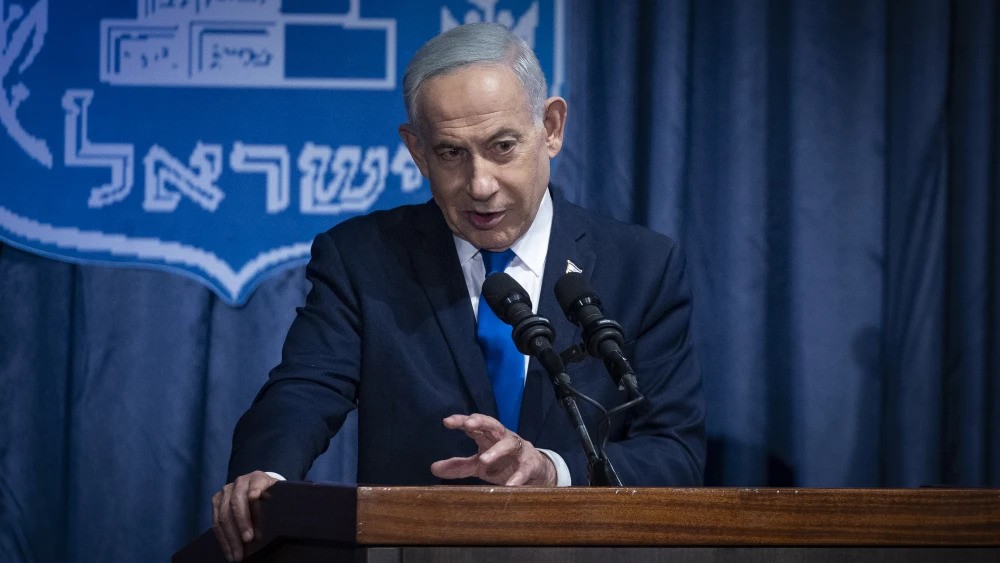 Israeli Prime Minister Benjamin Netanyahu attends a reception marking the opening of the Colombian Embassy in Jerusalem, held at the Israeli Ministry of Foreign Affairs in Jerusalem, on Oct. 14, 2026. Photo by Chaim Goldberg/Flash90.
On Oct. 27, Israelis head to the polls in the first election following the Hamas-led terrorist attacks in southern Israel on Oct. 7, 2023 that left 1,200 people dead, 251 taken hostage into the Gaza Strip and prompted a seven-front war against the Jewish state. Three years later, Israel has achieved stunning military accomplishments against Hamas in Gaza, Hezbollah in Lebanon, the Houthis in Yemen, militias in Syria, and, most notably, against the head of the terror proxy snake: Iran.
These pivotal elections, like the five consecutive elections between April 2019 and November 2022, are again a referendum on the continued governance of Israel’s longest-serving prime minister, Benjamin Netanyahu.
Netanyahu is presenting Israelis with a stark electoral choice: Renew his mandate to capitalize on Trump’s bold endorsement this past week or risk surrendering the strategic gains of a multi-pronged war.
-
October 21, 2026
-
October 21, 2026
-
October 21, 2026
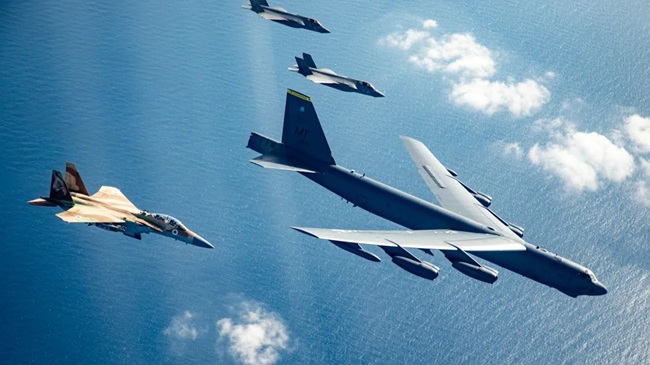 A joint exercise between the IAF and US Air Force. (photo: IDF Spokesperson's Unit)
The US and Israeli militaries have drawn up detailed plans for renewed strikes on Iran following the US midterm elections on November 3, The New York Times reported on Wednesday evening, citing American officials familiar with the discussions.
According to the report, the plans focus on a short, intensive military operation that could last approximately three days and include strikes on Iran's nuclear facilities, energy infrastructure, and missile and drone capabilities.
The two countries have stepped up joint military exercises, including flights over Iraq to rehearse potential strikes. US Defense Secretary Pete Hegseth also discussed the plans with Prime Minister Benjamin Netanyahu during his visit to Israel this week.
-
October 20, 2026
-
October 20, 2026
-
October 20, 2026
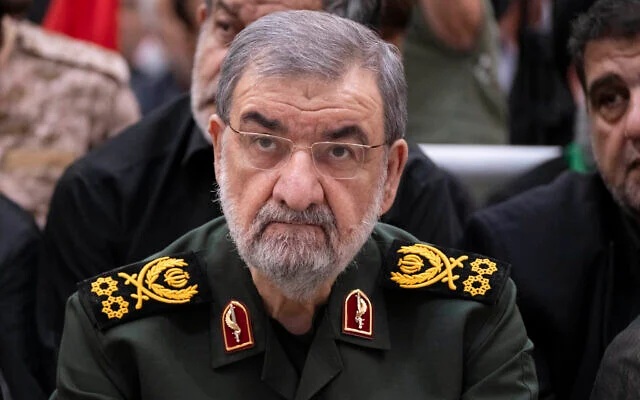 Mohsen Rezaei, former commander of Iran's Islamic Revolutionary Guard Corps, who was named on August 9, 2026, as the secretary of Iran's Supreme National Security Council, attends a ceremony at Ayatollah Ruhollah Khomeini's shrine in southern Tehran, on June 4, 2026. (photo: Morteza Nikoubazl, NurPhoto)
Iran’s security chief Mohsen Rezaei on Tuesday tells visiting Pakistani army chief Asim Munir that Tehran will not allow nuclear material to leave the country, according to state TV.
“Not even a tiny bit of enriched nuclear material will leave Iran. Such materials constitute a major asset and national wealth for the Iranian people, intended for use within the country,” says Rezaei, secretary of Iran’s Supreme National Security Council.
-
October 20, 2026
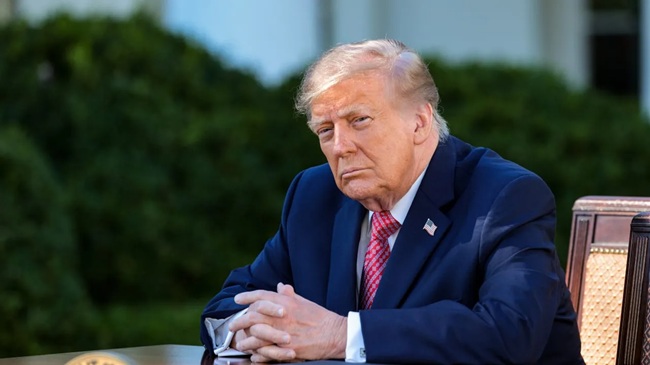 US President Donald Trump listens as first lady Melania Trump delivers remarks as he prepares to sign an executive order in the Rose Garden of the White House on October 19, 2026 in Washington, DC. (photo: Chip Somodevilla, Getty Images)
The Trump administration came “very close” to approving a strike on Iran on at least one recent occasion, several sources familiar with the details told The Jerusalem Post on Tuesday.
The revelation follows comments by US President Donald Trump in Atlanta, Georgia, last week, telling reporters to "wait till you see what we do to Iran."
Trump has said the US will not bomb Iran again before November 3. However, Iranian officials told Reuters on Tuesday that Tehran continues to expect that bombing will resume, sooner or later.
-
October 19, 2026
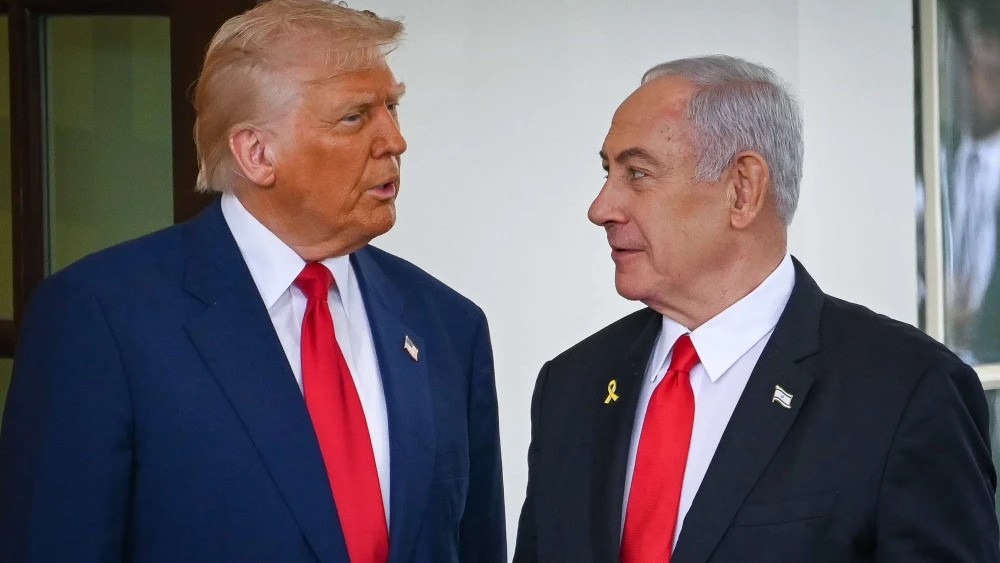 U.S. President Donald Trump welcomes Israeli Prime Minister Benjamin Netanyahu to the White House in Washington D.C., April 7, 2025. Photo by Liri Agami/Flash90.
U.S. President Donald Trump has delivered the endorsement that Israeli Prime Minister Benjamin Netanyahu was waiting for—and it could change Israel’s post-election calculations, even if it doesn’t alter many votes.
In an extraordinary Truth Social statement addressed to the “Great People of Israel,” Trump offered his complete backing of Netanyahu. He called him a “Great Warrior Prime Minister” who had been “Strong, Brave, and Brilliant” under intense pressure, concluding: “BIBI NETANYAHU WILL NEVER LET YOU DOWN!”
Yet the most consequential passage concerned Iran. Trump warned that unless Tehran rapidly changes course, “we will soon finish the job.” He then explicitly tied continued cooperation against the Islamic Republic to Netanyahu’s political survival: “If Israel has the wrong Leader, which would be anyone other than Bibi, America will have to do this work ourselves, and I am not inclined to do so,” he wrote.
-
October 19, 2026
-
October 19, 2026
-
October 19, 2026
-
October 19, 2026
-
October 18, 2026
 Russian President Vladimir Putin listens to Roman Artyukhin, the head of the treasury, at the Kremlin in Moscow, on Tuesday, March 3, 2026. (Gavriil Grigorov, Sputnik / Kremlin Pool Photo via AP / File)
Responding to i24NEWS, the prime minister says Israel and Moscow have conflicting interests but maintains contact with Putin, who he believes also opposes a nuclear-armed Iran.
Prime Minister Benjamin Netanyahu on Sunday accused Russia of aiding Iran and using artificial intelligence to operate antisemitic bot networks targeting Israel and Jews worldwide.
Responding to a question from i24NEWS, Netanyahu leveled unusually sharp criticism at Moscow while acknowledging that Israel and Russia share some interests despite their differences.
-
October 18, 2026
-
October 18, 2026
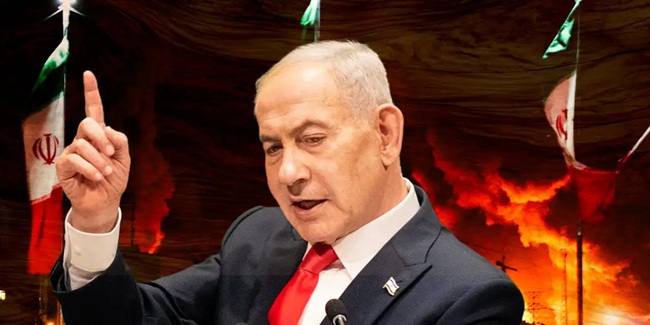 Prime Minister Benjamin Netanyahu against a backdrop of Tehran streets. (photos: Reuters; EPA; IDF Spokesperson's Unit)
Prime Minister Benjamin Netanyahu declared Sunday that Israel was prepared to launch a preemptive strike against Iran even without US assistance. Presenting his updated national security doctrine for 2026, the first such presentation in a decade, Netanyahu identified a nuclear-armed Iran as Israel's greatest threat. "We are prepared to take the initiative," he said. "We must prevent the enemy from delivering the first blow." Against the backdrop of warnings of a possible Iranian attack, Netanyahu made clear that his objective was to topple the regime in Tehran, potentially even before Israel's upcoming elections on Oct. 27.
"The objectives I set do not depend on American approval. I always seek it, and we have also reached extraordinary understandings that people never believed were possible. But it has never been a precondition," Netanyahu said. "Our need to eliminate the nuclear threat and the broader threat posed by Iran, by the ayatollahs' regime, stands on its own. To the extent necessary, we will also act independently. We have done so before, and if necessary, we will do so again."
Netanyahu described confronting Iran as his "life's mission," warning that a single nuclear bomb could kill hundreds of thousands of people. He also noted that Iran was developing intercontinental ballistic missiles. According to Netanyahu, the regime could rebuild its nuclear and unconventional weapons programs, as well as its network of regional proxies.
-
October 18, 2026
-
October 17, 2026
 (photos: AP)
The order invoked a provision allowing Trump to waive the measures on national interest grounds. It set no fixed expiry for the waivers and left earlier sanctions in place.
Congress passed the legislation last month to curb funding for Russia’s war against Ukraine. Named after Republican Sen. Lindsey Graham, who died in July, it targeted Russian officials, oligarchs and financial institutions and provided for steep tariffs on countries buying Russian energy.
The move, unveiled amid a widening rift with Ukraine and its leader Volodymyr Zelensky, followed Trump’s agreement with Putin to ease sanctions on Russian diesel exports and bring additional supplies onto global markets, part of an effort to lower fuel prices ahead of November’s US midterm elections.
-
October 17, 2026
-
October 17, 2026
-
October 17, 2026
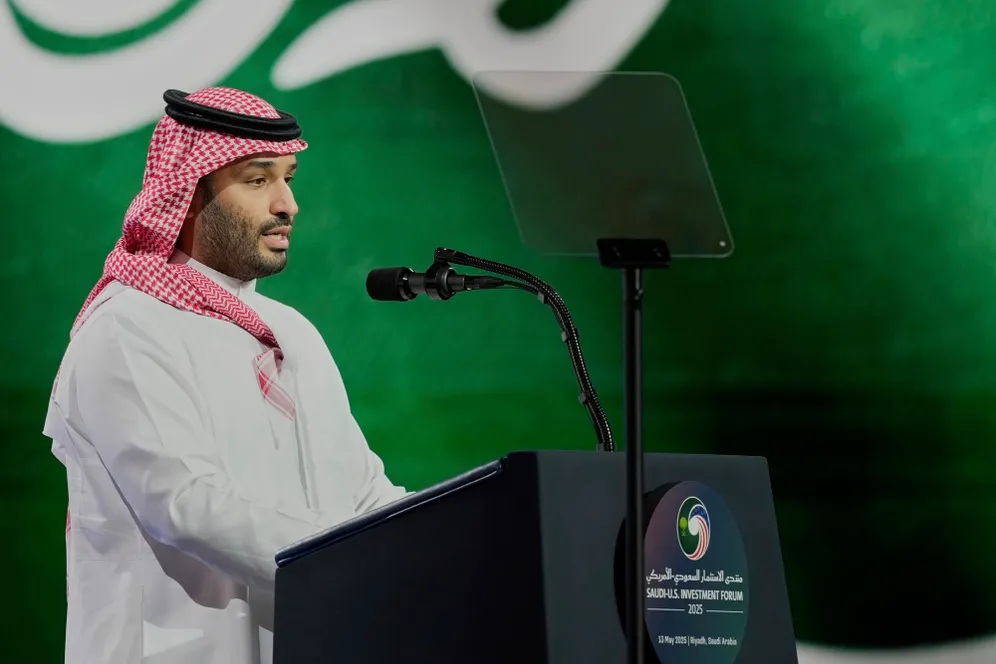 Saudi Crown Prince Mohammed bin Salman speaks at the Saudi-US Investment Forum at the King Abdulaziz International Conference Center in Riyadh, Saudi Arabia, Tuesday, May 13, 2025. (photo: Alex Brandon, AP)
A senior diplomatic official tells i24NEWS there is no evidence of an imminent breakthrough, despite Israel’s intelligence assistance to Riyadh against the Houthis.
Despite President Donald Trump’s claim that the Abraham Accords are back on the table following Israel’s assistance to Saudi Arabia against the Houthis, Israeli officials are lowering expectations, i24NEWS understands.
Prior to October 7, Saudi Arabia was close to advancing a normalization deal with Israel. Over the past three years, however, Crown Prince Mohammed bin Salman has moved significantly further away from the prospect of relations with Israel, partly due to Saudi public opinion.
-
October 16, 2026
-
October 16, 2026
-
October 16, 2026
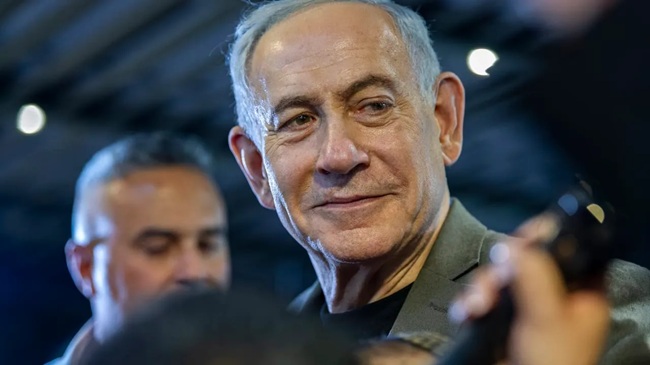 Prime Minister and Likud party chairman Benjamin Netanyahu visits supporters in the northern Israeli city of Haifa, ahead of Israel’s upcoming general elections, October 14, 2026. (photo: Sharon Leibel, Flash90)
Prime Minister Benjamin Netanyahu responded on Friday to comments made by former US president Barack Obama, in which he accused Israel of taking "land off people and being "excessive," referring to Israel's treatment of the Palestinian people throughout the country's history.
Obama made the comments during a visit to Belfast, Northern Ireland, on Tuesday.
"The Jewish people are not foreign occupiers in the land of our forefathers," Netanyahu said in a video posted to X/Twitter. "Our history is not a colonial enterprise. Our land is not stolen land. This is our homeland."
-
October 16, 2026
 (graphic: Fox News)
President Donald Trump said Thursday he would not use nuclear weapons against Iran amid reports that the Department of War was developing new strike plans that could include using a bomb known as the “Mother of All Bombs” against Iranian nuclear sites and energy infrastructure.
Speaking to Newsmax about the GBU-43/B Massive Ordnance Air Blast bomb, or MOAB, Trump said, “The mother of all bombs is not nuclear.”
“This is just an extremely large bomb. It’s like a tiny nuclear bomb, but the mother of all bombs is one big bomb, but it’s not nuclear.”
“I wouldn’t use nuclear. We don’t have to,” Trump said.
Headline News
-
October 24, 2026
-
October 24, 2026
-
October 24, 2026
-
October 24, 2026
-
October 24, 2026
-
October 24, 2026
-
October 24, 2026
Israel News
-
October 24, 2026
-
October 24, 2026
-
October 24, 2026
-
October 24, 2026
-
October 24, 2026
-
October 24, 2026
-
October 24, 2026
White House News
-
October 24, 2026
-
October 24, 2026
-
October 24, 2026
-
October 24, 2026
-
October 24, 2026
-
October 24, 2026
-
October 24, 2026
Provocative Commentary
-
October 24, 2026
-
October 24, 2026
-
October 24, 2026
-
October 23, 2026
-
October 23, 2026
-
October 22, 2026
-
October 22, 2026
-
October 21, 2026
-
October 21, 2026
-
October 20, 2026
-
October 20, 2026
-
October 19, 2026
-
October 19, 2026
-
October 18, 2026
-
October 18, 2026
-
October 17, 2026

“The men who have done the most for God in this world have been early on their knees. He who fritters away the early morning, its opportunity and freshness, in other pursuits than seeking God will make poor headway seeking Him the rest of the day. If God is not first in our thoughts and efforts in the morning, He will be in the last place the remainder of the day.”
― E.M. Bounds